
AI-First: The End of Manual Tasks for Sales Teams
In 2026, if your sales team is still spending hours manually filling out CRMs or qualifying leads, you don't have a management problem—you have an architectural problem.
The era of "AI as a chat" is over. We have entered the era of Autonomous Agents. This article is a definitive guide to implementing an agent infrastructure (SDR, Support, and Research) with zero cost, using the most modern tools in the development ecosystem.
🎯 Why Groq + Llama 3.1 70B?
For autonomous agents, latency is the new uptime. While traditional APIs deliver 20-80 tokens/second, Groq delivers over 500 tokens/second. This allows the agent to execute multiple "Thought-Action-Observation" cycles in milliseconds, making the end-user experience instantaneous.
Your Sales Team with Artificial Intelligence: Deploying Autonomous Agents with Zero Cost
Sales teams lose an average of 66% of their time on non-selling activities—lead qualification, CRM updates, pre-meeting research, and manual follow-ups. For small and medium enterprises, the goal is to create an AgentForce MVP to solve this with zero cost but high-quality delivery: autonomous AI agents that perform these tasks asynchronously using a 100% free stack for validation—Next.js 16, Supabase, LangChain.js, and Groq.
The Pain No One Wants to Admit
Sales representatives spend only 34% of their time on direct sales activities. The rest is administration. This problem manifests in three concrete fronts:
- Manual Lead Qualification: An average SDR spends 20 to 40 minutes researching each lead using the BANT framework (Budget, Authority, Need, Timeline).
- Pre-meeting Research: A good salesperson spends 30 to 60 minutes researching a company and contact before a demo.
- Forgotten Follow-ups: 80% of sales require five or more follow-up interactions, yet 44% of salespeople give up after the first contact.
What is the AgentForce MVP?
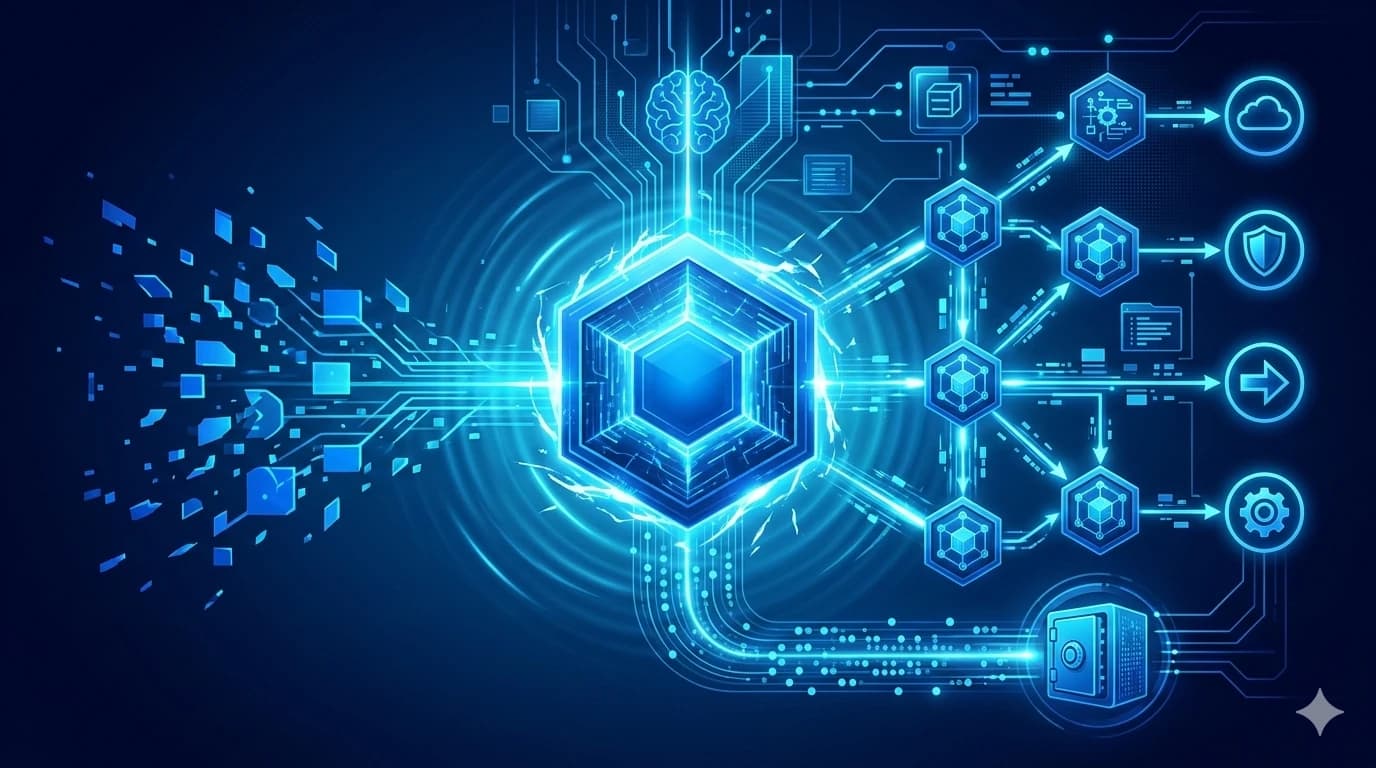
The AgentForce MVP is not a chatbot; it is a platform of autonomous AI agents that reason, plan, and execute tasks using real tools—CRM APIs, email sending, and information searching—without human intervention at every step.
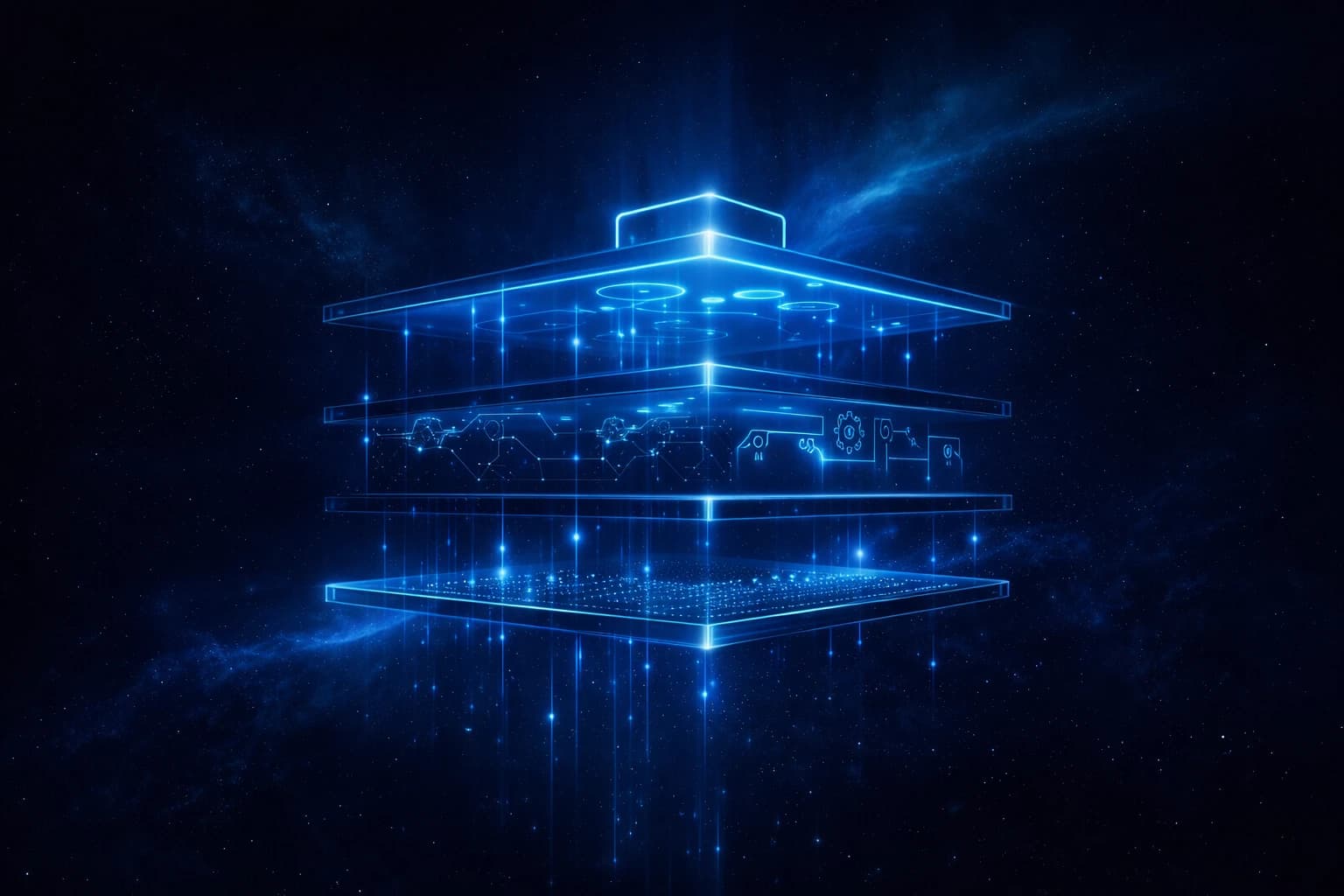
System Architecture
- Layer 1 — Interface (Next.js 16 + Vercel): Dashboard, agent creation, and live logs.
- Layer 2 — Orchestrator (LangChain ReAct Agent): Receives tasks → Reasons → Executes tools.
- Layer 3 — LLM (Groq · Llama 3.1 70B): Decides which tool to use, the input, and when to stop.
- Layer 4 — Persistence (Supabase PostgreSQL): Stores agents, runs, steps, and auth with Realtime WebSocket updates.
Technical Stack: Why Each Piece?
| Service | Function | Free Tier |
|---|---|---|
| Next.js 16 | Frontend + API Routes; Server Actions eliminate separate backend. | Unlimited (OSS) |
| Supabase | PostgreSQL + Auth + Realtime; RLS ensures data isolation. | 500MB, 50k req/day |
| Groq + Llama 3.1 | Free LLM with performance comparable to GPT-4o for structured tasks. | 14,400 req/day |
| LangChain.js | ReAct Agent + Tool Calling abstraction. | Open Source (MIT) |
| Resend | Agent email tool; simple API with high deliverability. | 3,000 emails/month |
Tutorial: From Zero to Your First Running Agent
1. Supabase Setup
Create a project in Supabase and execute the following SQL to set up the OpsGraph (Decision Lineage) structure:
2. The Brain: ReAct Agent Executor
The orchestrator receives the task and decides which tools to use. In LangChain, this is the ReAct Agent.
3. Tools and Integrations
Agents need "hands" to be useful. We use DynamicStructuredTool for this.
Scaling and Monetization
Once you validate the MVP, consider these monetization tiers for a B2B agent platform:
| Plan | Price | Limits |
|---|---|---|
| Starter | $49/mo | 3 agents, 500 runs/mo |
| Growth | $149/mo | 10 agents, 2,000 runs/mo |
| Scale | $399/mo | Unlimited + SLA |
FAQ (Schema.org)
- Will AI replace my sales team? No. It scales human capacity. A Tony Stark (salesperson) with Jarvis (Agent) is 10x more productive.
- How much does this stack cost to maintain? At MVP volume, $0.00. Groq, Supabase, and Vercel have generous free tiers.
- Is it safe to use Groq with sensitive data? Yes, as long as you use API keys server-side and configure RLS in Supabase.
🚀 Conclusion
The window of opportunity to build this infrastructure at no cost is now. In four weeks, with $0.00 and a focus on architecture, you can validate if autonomous agents solve your team's bottlenecks.
Published by Elvis Silva · Cognitive Systems Architect at AI2YOU.